-
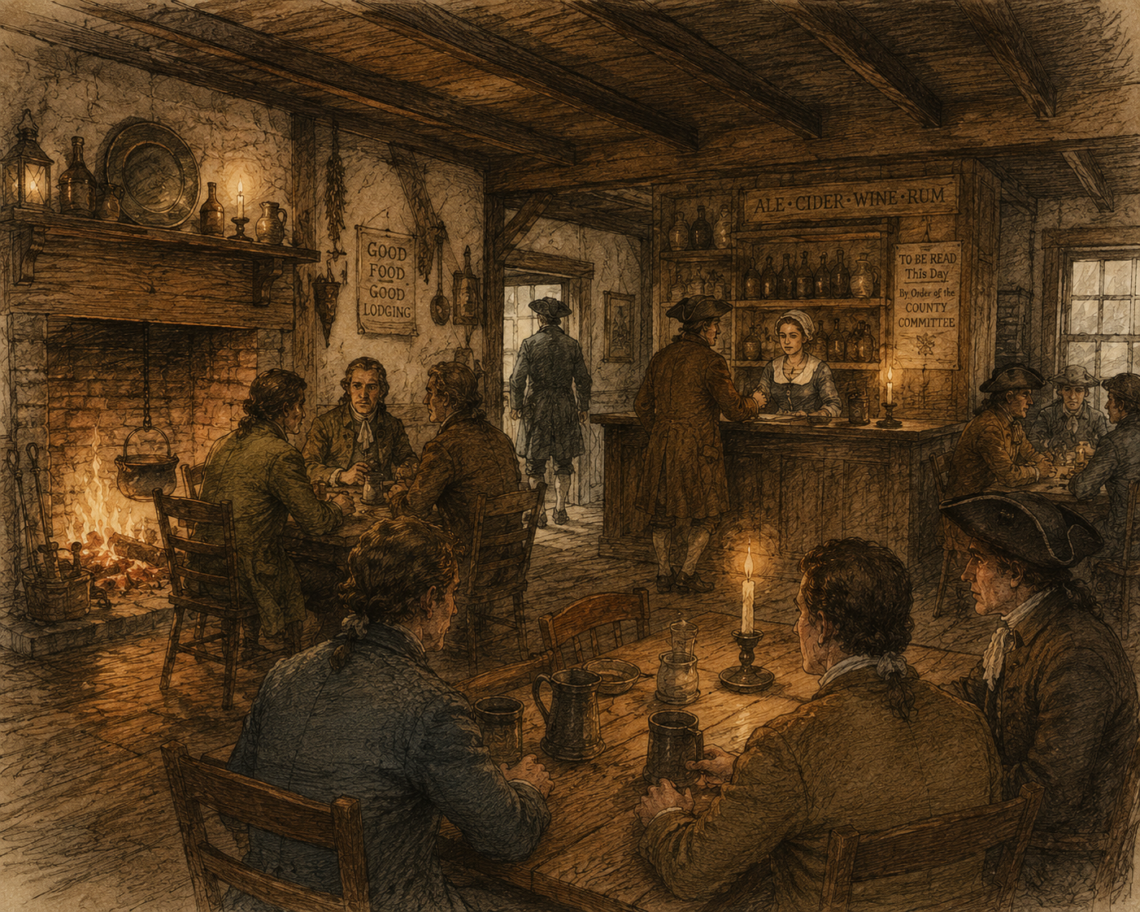
The Colonial Tavern: The Living Room of Early Virginia
Today, when we think of a tavern, we often imagine a place to order a meal or enjoy a drink with friends. In colonial Virginia, however, a tavern was something far more important. It was the community’s dining room, hotel, courthouse waiting room, post office, stagecoach stop, news center, business office, and social gathering place—all under one roof. Long before railroads, telephones, and newspapers connected communities, taverns connected people. More Than a Place to Drink Travel in eighteenth-century Virginia was slow and often difficult. Roads were little more than dirt paths winding through forests and across streams. A traveler might spend an entire day covering twenty or thirty miles before…
-
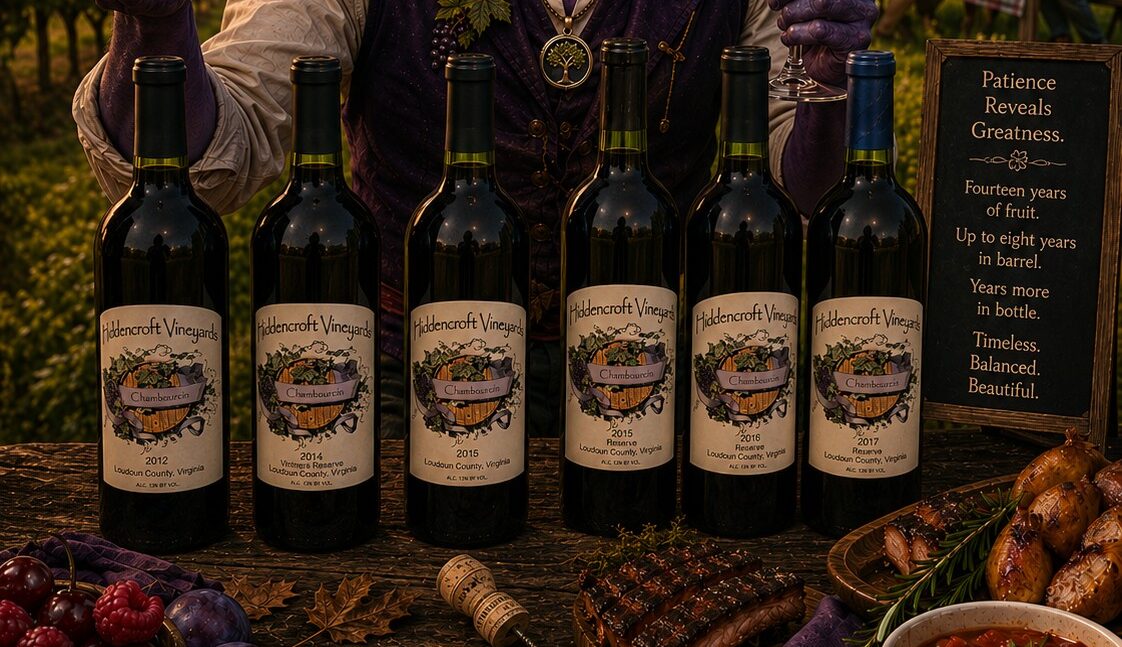
The Day Chambourcin Answered the Question
On a warm June afternoon in 2026, six bottles were placed on a tasting table at Hiddencroft Vineyards. There was nothing particularly unusual about the bottles themselves. No elaborate labels. No grand proclamations. No promises. Just six Chambourcin wines: 2012, 2014, 2015, 2015 Reserve, 2016, and 2017. The oldest fruit had been harvested fourteen years earlier. Each wine had spent between four and eight years in barrel before spending additional years in bottle. By modern standards, such treatment borders on neglect. Most wineries would have released the wines years earlier. Most consumers would assume that so much time would surely diminish them. But wine has a way of ignoring assumptions.…
-
The Morning the Vineyard Turned Black
A vineyard can change in a single night. After an unusually warm start to spring, the vines at Hiddencroft Vineyards had already awakened when temperatures plunged to 25 degrees on April 20–21, 2026. What followed was not a light frost, but a hard regional freeze that blackened tender shoots across the vineyard. This essay explores the difference between frost and freeze, how grapevines recover, and what a devastating spring freeze teaches about resilience, adaptation, and the quiet importance of a well-stocked cellar.
-
A Challenging Start to the 2026 Growing Season
Every vineyard season tells a different story, and 2026 is shaping up to be one of the more challenging growing seasons we have experienced since planting our first vines in 2001. A combination of factors has affected vineyards throughout our region, and Hiddencroft has not been immune. Last season, our vines endured unusually heavy pressure from Spotted Lantern Flies. While the insects rarely kill established grapevines outright, large populations can weaken vines by feeding on their sap late into the growing season. Many of our vines entered winter under greater stress than normal. Winter then delivered another challenge. Several periods of exceptionally cold temperatures caused more vine injury and vine…
-
Petit Verdot – the Finishing Touch
What Petit Verdot Really Is Petit Verdot was never meant to stand alone—but when it does, it commands attention. Traditionally used as a blending grape, it adds color, structure, and intensity. If Cabernet Sauvignon is the performance, Petit Verdot is the final note that lingers. Intensity and Depth Petit Verdot is defined by concentration—color, tannin, and flavor. Typical profile: It is bold, dense, and often deeply colored. A Late-Ripening Specialist Petit Verdot requires specific conditions to succeed. It needs warmth and time—but rewards both. Why It Belongs at the Table Petit Verdot pairs best with equally bold foods. It shines with: It is less versatile—but highly impactful. Structure with Intensity…