-
Autumn Hall Schedule
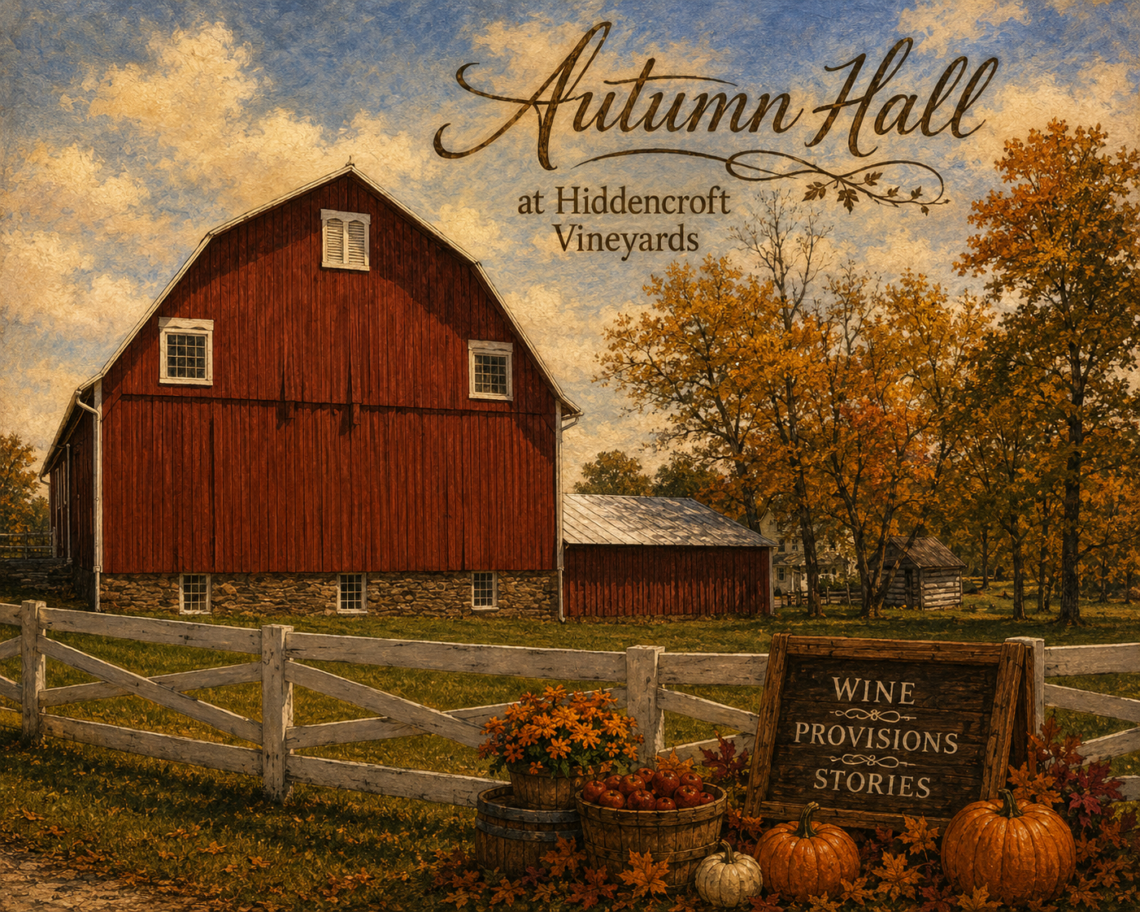
During Autumn 2026, our historic bank barn will become our tasting room for the season. We’ll pour our wines, offer seasonal provisions to enjoy alongside them, and share stories of the land and people that shaped this corner of Virginia. There are no tickets and no special admission. Come for a self-guided flight, a glass or bottles; settle in with cheeses, cured meats, fruits, nuts, and preserves and linger awhile. Along the way, you’ll encounter changing displays and occasional presentations, bringing the stories of Hiddencroft and our corner of Virginia to life. And just as autumn itself changes, so will Autumn Hall. As the season moves toward November, the barn…
You May Also Like
An Evening by Candlelight
-
Traditional Colonial Boston Baked Beans
Although we call them Boston Baked Beans today, the dish has roots in the colonial period. By the mid-1700s, New England families were slowly baking beans overnight in brick ovens after the weekly bread baking was finished. The famous use of molasses reflected Boston’s active trade with the Caribbean. For America 250 event, this recipe is historically appropriate as an example of colonial New England cooking. To represent Virginia specifically, reduce the molasses, and rely more on salt pork, cider, and herbs. Traditional Colonial Boston Baked Beans Serves 10–12 Ingredients Method 1. Soak the Beans Cover the beans with cold water by several inches. Soak overnight (12 hours). Drain. 2.…
-
Many Hands Shaped This Land
The Stories Behind Hiddencroft Vineyards Every landscape has a story. Some stories are written in books.Some survive in old deeds and wills.Others are hidden inside weathered buildings, forgotten roads, or buried beneath the soil itself. The land that is now Hiddencroft Vineyards has been shaped by hundreds of years of ordinary people doing extraordinary things. Native peoples walked these valleys long before Europeans arrived. Surveyors marked boundaries through wilderness. Farmers cleared fields and built homes. Soldiers left their families to fight for independence and then returned to raise the next generation. Families harvested crops, preserved food, built smokehouses and springhouses, cooked in summer kitchens, and left behind traces of their…
You May Also Like
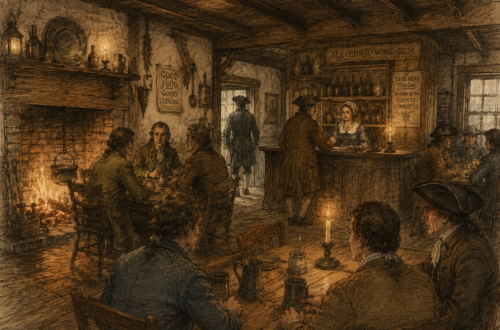
The Colonial Tavern: The Living Room of Early Virginia
-
Neutral Oak vs New Oak Barrels: What’s the Difference?
To many wine drinkers, an oak barrel is simply an oak barrel. Inside a working cellar, however, the difference between new oak and neutral oak can shape a wine profoundly—not only in flavor, but in texture, structure, oxygen exposure, and long-term aging potential. Understanding the role of oak is one of the keys to understanding extended élevage. Because barrels do far more than store wine. They actively participate in its evolution. What Is a New Oak Barrel? A new oak barrel is exactly what it sounds like:a barrel being used for one of its earliest vintages. Because the wood is still fresh, new barrels contribute the strongest oak influence to…
-
What Happens When Wine Ages Too Long?
There is a romantic idea that wine simply improves forever with time. It does not. Some wines reach a beautiful peak after years of aging. Others slowly lose the very qualities that once made them exciting. Fruit fades. Structure weakens. Energy disappears. What remains can become flat, tired, or hollow rather than graceful and mature. This is one of the least discussed truths in wine:aging is not automatically improvement. And that reality is precisely why long élevage requires judgment rather than blind patience. Wine Does Not Stop Changing Even after fermentation ends, wine continues evolving. Inside barrels and bottles, oxygen exposure, tannin development, acidity, fruit compounds, and oak integration continue…